Popular Culture is the entirety of ideas, perspectives, attitudes, memes, images and other phenomena that are within the mainstream of a given culture, especially Western culture of the early to mid 20th century and emerging global mainstream of the late 20th and early 21st century.
Popular culture is often viewed as being trivial and dumbed-down in order to find consensual acceptance throughout the mainstream. As a result, it comes under heavy criticism from various non-mainstream sources (most notably religious groups and countercultural groups) which deem it superficial, consumerist, sensationalist and corrupted.
Source : http://en.wikipedia.org/wiki/Popular_culture
POP ART
Pop art was characterized with a focus on popular culture that expanded upon the prosperity of the post-war society in the 1950s and 1960s. The movement started in the USA but expanded to England. The movement used subject matter such as comic strips, soda bottles and soup cans and turned them into icons of the day.
The movement was actually a child of Dadaism; it sarcastically made fun of the art world through its use of urban images, products from grocery stores, and the mass media. Pop Art was about communicating how these objects are themselves works of art.
Pop art on cans and products

.jpg)
.jpg)
.jpg)
Pop art on icons

.jpg)
.jpg)
.jpg)
Pop art on comic strips

.jpg)
.jpg)
Malaysian Pop Culture
Pop Culture in Malaysia have been showed in some items, events and history. For example, the 10 Ringgit Note. The note have been changed from 1967 till today.

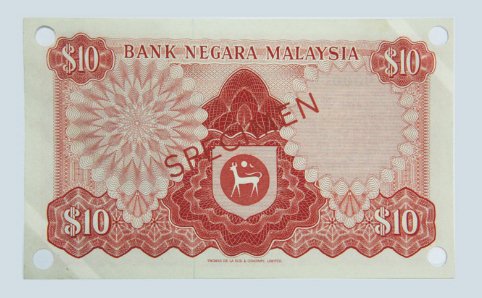
10 Ringgit note : 1967-1983

10 Ringgit note : 1982-1998

10 Ringgit note : 1996-2000

10 Ringgit note : 2012
Do refer to the motive on each of the note. Th motive will change from time to time but DYMM Yang Dipertuan Agong still remain in every note revolution.
We can also view the changes in election poster in Malaysia. The graphic designs has been changed dramatically from 1950s till 2013.
The poster still remain with the clean lines, bold fonts but have some changes in poster colors according to the political party such as royal blue, green and cyan.


Election poster in 1950s

Election poster in 1978


Election poster in 2008

Election poster in 2013


.jpg)

.jpg)
.jpg)
.jpg)


.jpg)